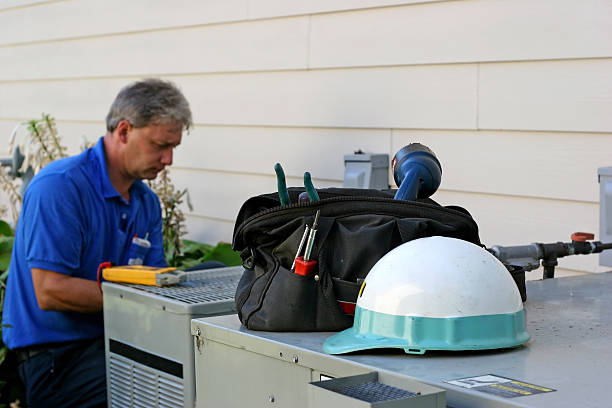
Smart Steps for Planning, Running, and Sustaining an HVAC System That Fits Your Space
Start by mapping the building’s loads room by room, because square footage alone rarely reflects the true demand. Assess windows, insulation levels, occupancy, and internal heat sources to define sensible and latent loads. In practice, this scoping helps right-size equipment for Air Conditioning or Heating without guesswork. Oversizing drives short cycling and humidity swings, while undersizing stretches runtime and shortens component life.
Next, align equipment choices with goals for comfort, energy, and serviceability. Heat Pumps can handle many climates when paired with smart controls and proper defrost logic, while a Ductless Mini Split suits additions or zones that are hard to reach with existing ducts. Meanwhile, packaged options may simplify roof placement for Commercial HVAC, reducing interior space use and easing maintenance lanes.
Then, verify distribution plans before ordering gear. Duct layouts should be balanced with static pressure in mind, sealing and insulation values documented, and returns placed to avoid pressure imbalances. Beyond that, consider acoustics: supply velocities, grille selection, and vibration isolation all affect perceived comfort. Poor airflow design forces higher fan speeds, eroding efficiency and elevating noise.
After selecting a path, sequence the installation to minimize rework. Stage rough-in tasks—line sets, drains, and flues—so trades don’t block each other. Buffer wall and ceiling penetrations with sleeves and firestop materials specified by code. Validate condensate routing with test water before finishes go in, and inspect clearances around service panels so future technicians can actually access critical components.
Meanwhile, calibrate controls to the space’s behavior, not just factory defaults. Thermostat placement should avoid solar gain and drafts, and sensors must be validated against a reference. Zoning dampers require travel checks and minimum airflow safeties. Often, commissioning reports that include airflow readings, superheat or subcool, and temperature splits help catch drift early, improving Indoor Air Quality and comfort stability.
However, even a flawless startup needs a maintenance rhythm. AC Maintenance should be scheduled by season and usage intensity, with filter changes documented and coil surfaces cleaned before peak demand. Document belt tension, electrical connections, and drain pan condition. Small variances in refrigerant charge or economizer settings can compound into higher bills, so periodic tune-ups preserve the efficiency curve.
Beyond the main system, evaluate supporting assets that influence resilience. Water Heaters, dehumidifiers, and ventilation devices should be integrated into load and electrical planning, not treated as afterthoughts. Generator Repair readiness matters for sites where climate control failure risks product loss or downtime. Finally, keep spare filters, belts, and common sensors on-site to shorten recovery windows.
For budgeting, phase upgrades with lifecycle in mind. Replace failing components that jeopardize other parts first—like compromised ductwork that would undermine new equipment. In practice, pairing control upgrades with variable-speed fans can yield outsized comfort gains without full system replacement. Validate rebates and permitting timelines early so project cash flow matches lead times and seasonal windows.
On the compliance front, inspect venting, combustion air, and refrigerant handling procedures. Then, document model numbers, serials, and setpoints for warranty and future diagnostics. A clear handoff packet with as-builts, maintenance intervals, and filter sizes reduces guesswork. Homeowners and facilities teams alike benefit from labeled panels, QR-linked manuals, and a single page summarizing breaker locations and shutoff valves.
Finally, refine the system with post-occupancy feedback. Track hot or cold spots, runtime trends, and humidity levels across weather shifts. Adjust fan profiles, stage thresholds, and setback schedules to match real patterns. When you treat HVAC as an evolving asset—monitored, tuned, and supported—the equipment lasts longer, comfort steadies, and energy spend stays predictable across seasons.